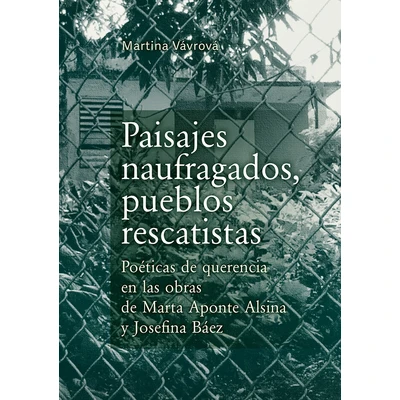
Paisajes naufragados, pueblos rescatistas: poéticas de querencia en las obras de Marta Aponte Alsina
E-kniha, Autor: Martina Vávrová, Jazyk: španělština, Počet stran: 218
Kniha zkoumá dílo Marty Aponte Alsinové a Josefiny Báezové, analyzuje koncept querencia a jeho vliv na literaturu, umění a komunitu.
Více informací
a nástroje, šetří čas i peníze více
Tato kniha se zabývá tvorbou portorické spisovatelky Marty Aponte Alsinové a dominikánské performativní umělkyně a spisovatelky Josefiny Báezové. Bařinová zkoumá pojetí pout s kořeny, komunitou a prostorem poznamenaným koloniální politikou a historií diaspory v dílech obou těchto nezávislých autorek. Vybrané texty přinášejí reflexi mezikulturního sociálního prostoru. Bařinová při analýze vychází z teorií o hraničním neboli třetím prostoru podle Glorie Anzaldúové a Edwarda Soji, z myšlenek feministické postkoloniální školy a z Glissantovy filosofie. Výsledkem této komparativní studie je pochopení konceptu tzv. querencia, jakožto estetického, filosofického a politického postoje, jehož prostřednictvím Aponte Alsinová a Báezová definují literaturu, umění a lidovou kreativitu jako cestu k zachování tvůrčí subjektivity, vnitřní svobody a pocitu sounáležitosti. Querencia současně představuje formu rezistence proti politice vykořisťování v karibském regionu. Zaměřením se na konkrétní příběhy (micro-historias) tak obě spisovatelky, byť odlišnými estetickými postupy, vytvářejí hodnotný kontranarativ založený na vyobrazení silných žen a komunit, jejichž soužití tkví v solidaritě, otevřenosti a adaptabilitě.
This book examines the work of Puerto Rican writer Marta Aponte Alsina and Dominican performance artist and writer Josefina Báez. Bařinová explores the concept of bonds with one’s roots, community, and a space shaped by colonial politics and the history of the diaspora in selected texts of these two independent authors. In her analysis, Bařinová draws on Gloria Anzaldúa’s and Edward Soja’s theories of Borderlands or Thirdspace, respectively, ideas of the third wave feminist scholars, and on Édouard Glissant’s philosophy. The result of this comparative study is an understanding of the concept of “querencia” as an aesthetic, philosophical, and political standpoint through which Aponte Alsina and Báez define literature, art, and popular creativity as a path toward preserving creative subjectivity, inner freedom, and a sense of belonging. At the same time, querencia represents a form of resistance against the politics of exploitation in the Caribbean region. By focusing on intimate stories (micro-historias), both writers—albeit through different narrative and performative approaches—create a valuable counter-narrative based on the portrayal of strong women and communities whose coexistence is grounded in solidarity, openness, and adaptability.

 Časté
 Zavolat
 E-mail
 iMessage
 WhatsApp
 Chat